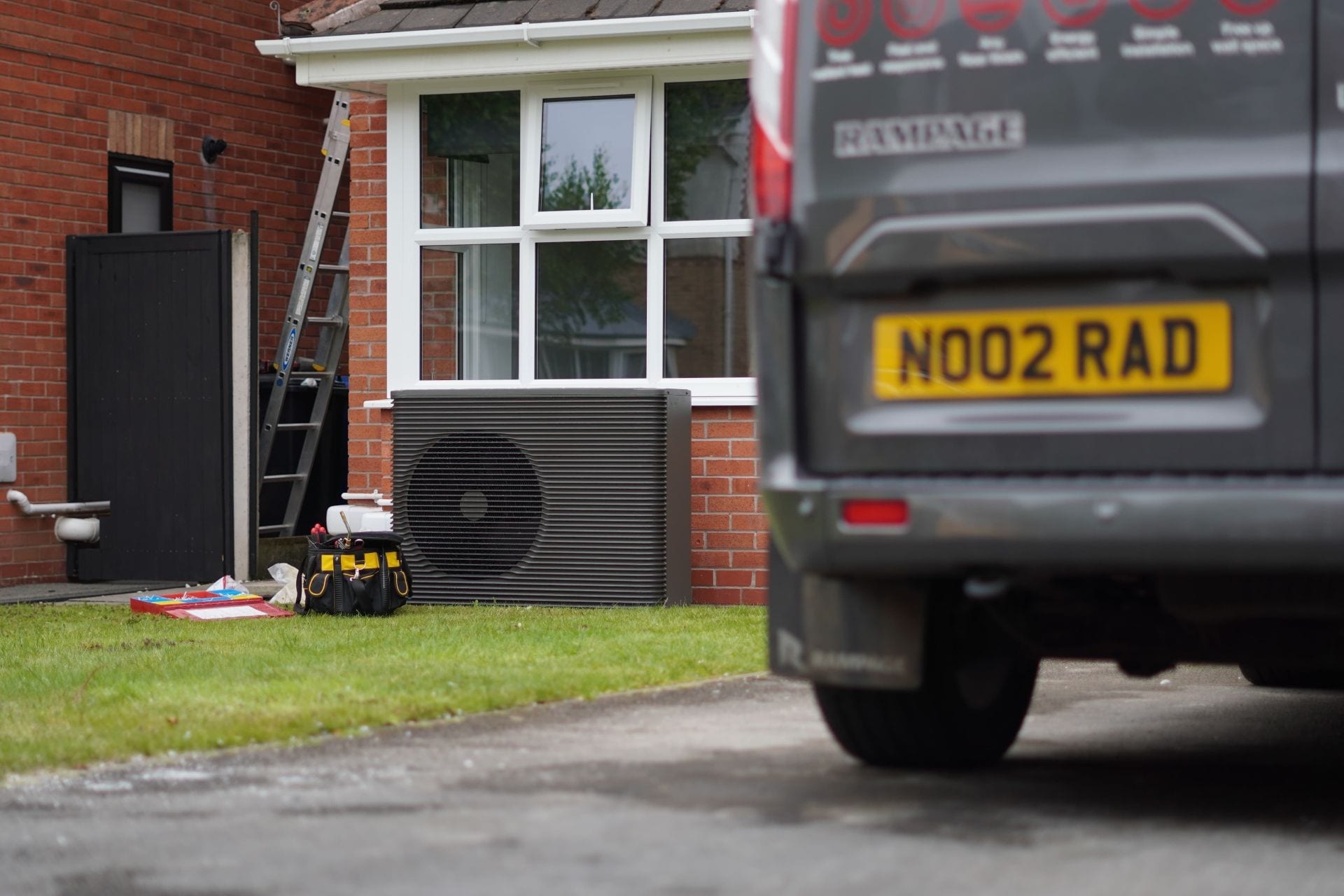
Future Homes Standard.
From 24 March 2027, every new home in England is built for low-carbon heating: a heat pump as default, mandatory solar, and tighter fabric. This page sets out what the standard requires, and why the emitter you specify matters more than ever.
Low-carbon heating, now a dated requirement.
The Future Homes Standard is the 2026 update to Part L of the Building Regulations for England. Homes built to it are future-proofed for a decarbonised grid: no gas boilers, heat pumps as the default heat source, mandatory solar, and improved fabric.
It is no longer a forward-looking ambition but a confirmed, dated regulatory requirement. For a specifier, the practical consequence is simple: every emitter in every new home must deliver comfort at heat-pump flow temperatures.
- The Future Homes Standard was published in March 2026 and comes into force on 24 March 2027, delivered through amendments to Part L of the Building Regulations.
- A 12-month transition runs to 24 March 2028: any project where construction commences after that date must comply.
- The notional building assumes an air-source heat pump, so every new home must deliver comfort at heat-pump flow temperatures, typically 35–45°C.
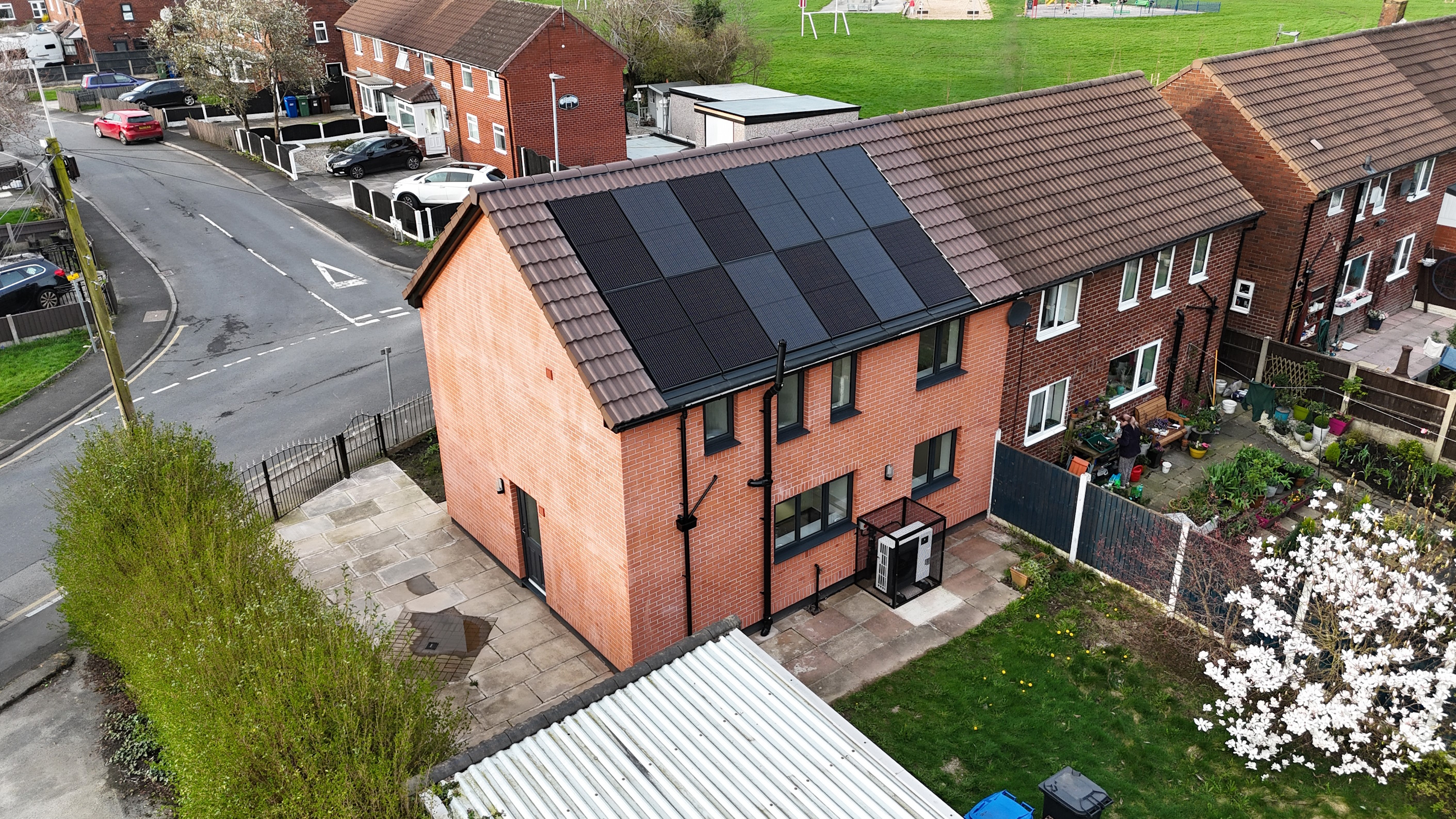
- Solar PV becomes a legal requirement, sized to around 40% of the dwelling’s ground-floor area where feasible.
- Two calculation methodologies run in parallel: SAP 10.3 from launch, and the Home Energy Model (HEM), for a minimum 24-month dual-running period.
- A full technical review of Approved Document O (overheating) is confirmed, which favours fast-responding, low-thermal-mass heating.
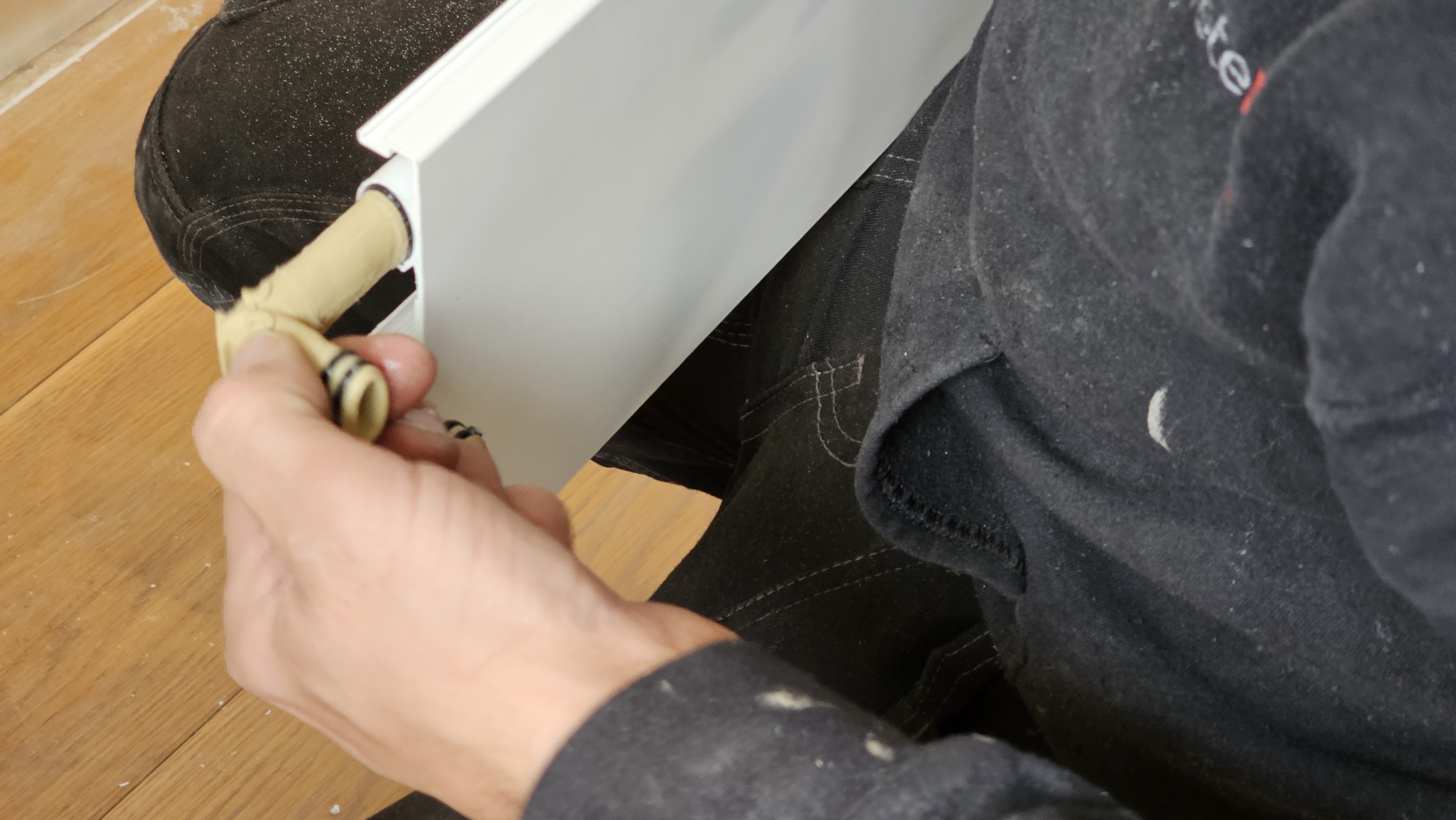
- ThermaSkirt is designed for 35–45°C flow from day one, so it suits the heat-pump-led specification the standard creates.
The timeline that matters
The transition window is shorter than many development pipelines. Specifications written now for projects landing in 2028 and beyond need to assume heat-pump-compatible emitters.
What the standard mandates
A dated, heat-pump-led standard for every new home.
What it means at the other end of the pipe
The standard assumes a heat pump, but it does not specify the emitter. At the 35–45°C flow temperatures a heat pump prefers, a conventional radiator delivers only about 30% of its rated output, which forces oversized panels and wall reinforcement.
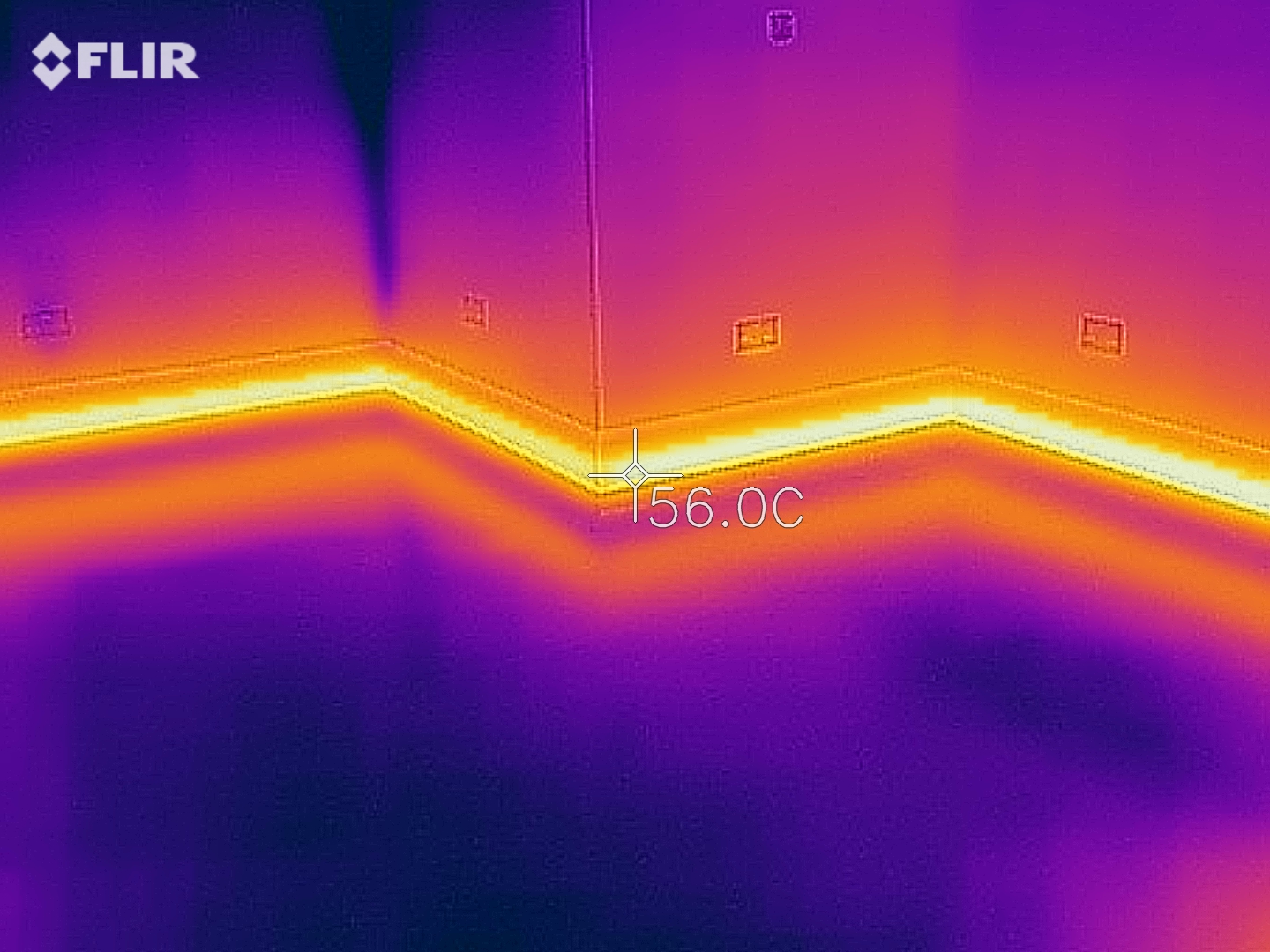
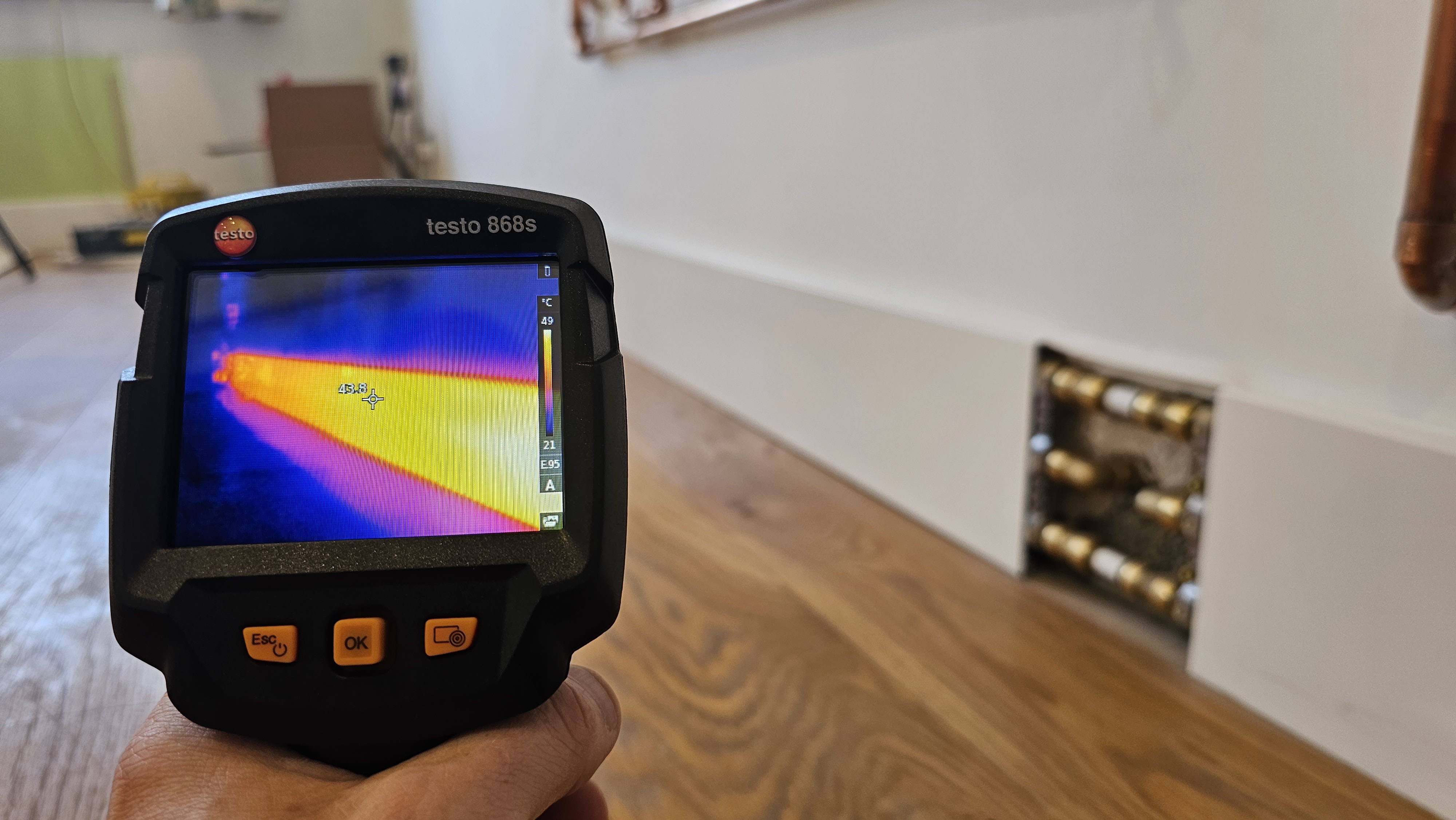
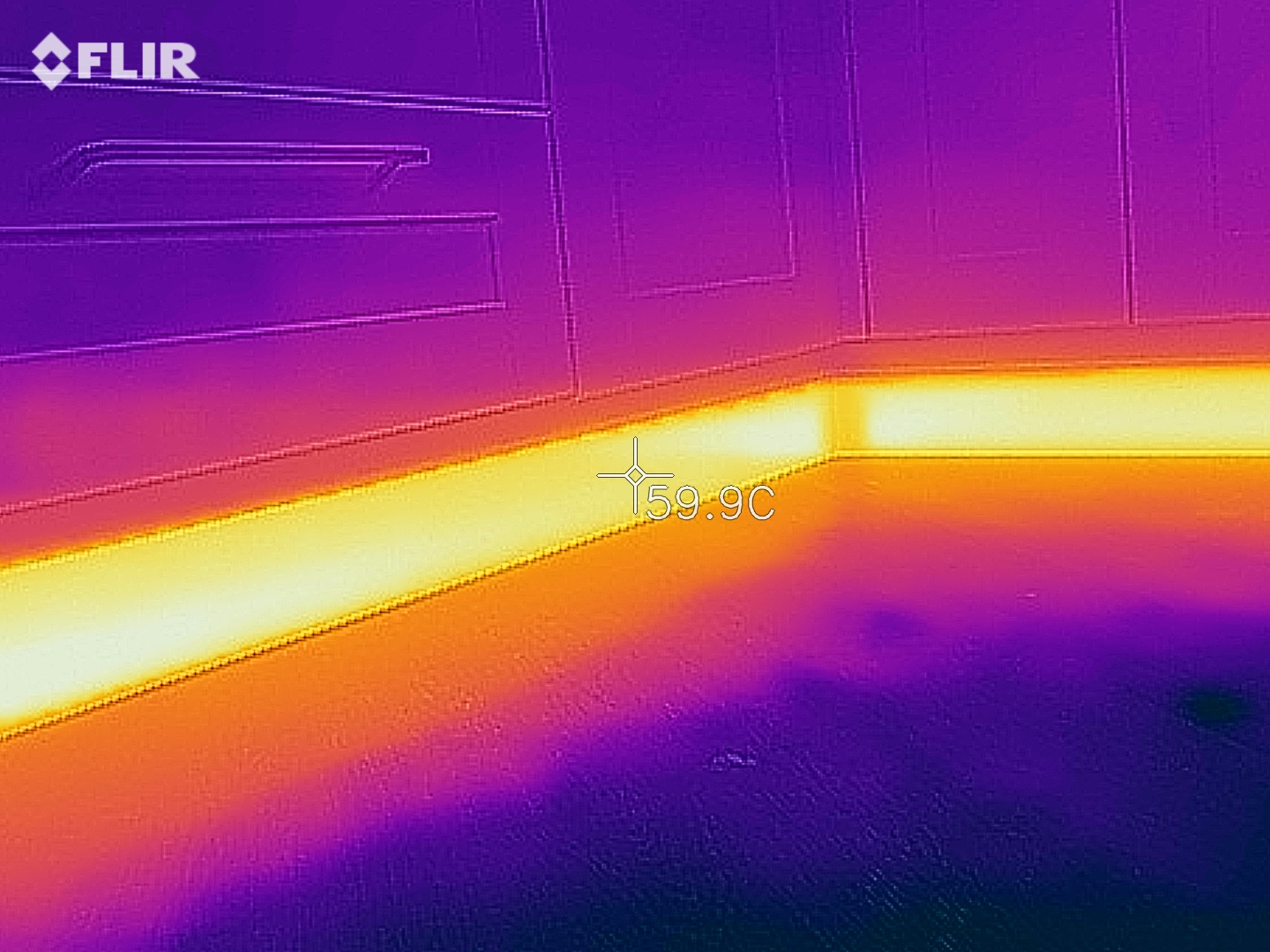
ThermaSkirt is designed for these temperatures from the outset. Its lower characteristic exponent means it retains more output as the flow temperature falls, and it distributes that output around the room perimeter rather than from one oversized panel.
SAP 10.3 and HEM run in parallel
Compliance can be demonstrated using SAP 10.3 from launch, or the Home Energy Model (HEM), with a minimum 24-month dual-running period before HEM becomes the sole methodology. Both notional buildings assume a heat pump.
ThermaSkirt has performance data on the SAP side and an active application for explicit recognition in HEM. See the HEM & SAP page.
The Part O overheating review
A full technical review of Approved Document O (overheating) is confirmed. Overheating assessment favours systems that can stop adding heat quickly, which works against high-thermal-mass emitters.
ThermaSkirt's low water volume and low thermal mass let it heat and cool in minutes, supporting an overheating strategy. It contributes to compliance rather than guaranteeing it. See CIBSE Guidance.
Policy facts, dates and requirements are from the UK Government's Future Homes and Buildings Standards publication and Part L 2026 Approved Documents (published March 2026), as summarised in DiscreteHeat's internal knowledge base. Output-retention figures are calculated from the BS EN 442 power law using EN 442-1 verified exponents. Recycled-content and embodied-carbon claims are covered, with their boundaries, on the Environmental Data page. ThermaSkirt supports compliance with the standard; the responsible designer makes each assessment. Last reviewed June 2026, maintained by DiscreteHeat Ltd.
Everything you need to know
When does the Future Homes Standard come into force?
Does the Future Homes Standard ban gas boilers?
What does it mean for the emitters I specify?
Is it assessed with SAP or HEM?
Is solar PV really mandatory now?
How does ThermaSkirt help with a Future Homes Standard project?
Explore related Technical Data
How the standard is assessed, the compliance detail, and the output data behind low-flow performance.


Specifying for the Future Homes Standard?
Our technical team can supply the output, comfort and energy-model data to support a heat-pump-led specification, from SAP 10.3 to HEM.