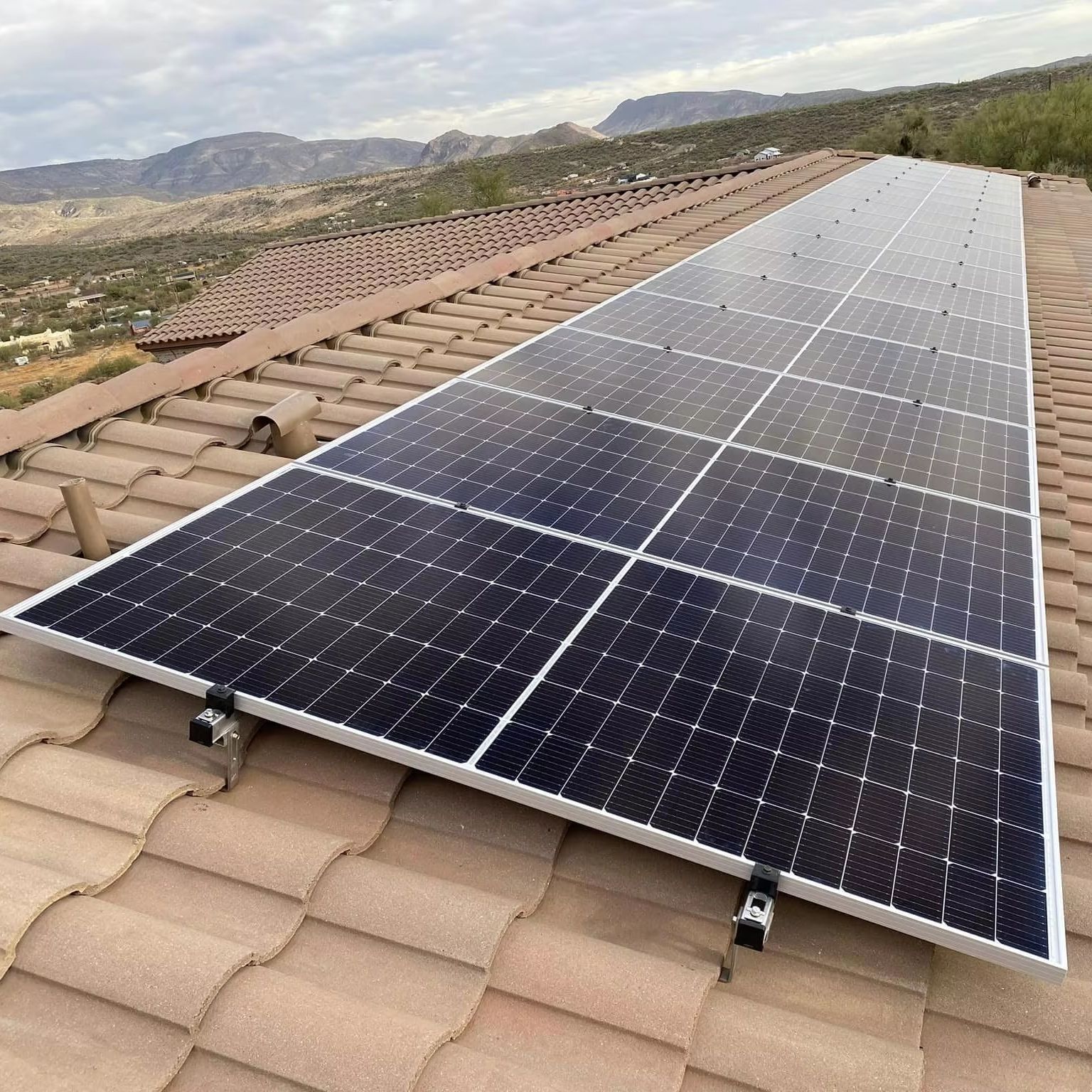
Rooftop solar PV array on a tiled roof under a clear sky
Solar Heating

Harness the sun, heat the home.

Solar thermal tubes and PV-driven systems produce 35–45°C warm water for free. Standard steel radiators are nearly useless at these temperatures. ThermaSkirt provides the massive surface area needed to turn solar gains into genuine, free room heating, independently verified by BSRIA.

48%Output Retained at 40°CBSRIA tested, vs 30% for radiators
0p/kWhSolar Self-Consumptionfree heat from your own panels
5.6p/kWhOff-Peak Battery Costcheaper than gas with storage
35°CMinimum Flow Tempcaptures lowest-grade solar heat

Skirting Board Heating for Solar Systems

ThermaSkirt is an optimised low-temperature emitter for solar thermal arrays and solar PV integration. By turning your entire room perimeter into a highly conductive aluminium radiating surface, it captures and distributes the low-grade 35–45°C heat generated by the sun, displacing your reliance on grid electricity and gas. BSRIA testing confirms 48% output retention at 40°C flow temperatures, compared to approximately 30% for conventional panel radiators.

Solar Thermal

The Surface Area Equation

Solar thermal evacuated tubes on your roof are excellent at pre-heating a domestic hot water cylinder or thermal store. On a bright spring or autumn day, they can push the buffer tank up to 40°C. The problem is extraction: if you pump 40°C water into a standard steel radiator, the metal barely feels lukewarm and the room stays cold. The temperature difference between the emitter and the room (the “delta T”) is simply too small for a small radiator surface to emit meaningful heat.

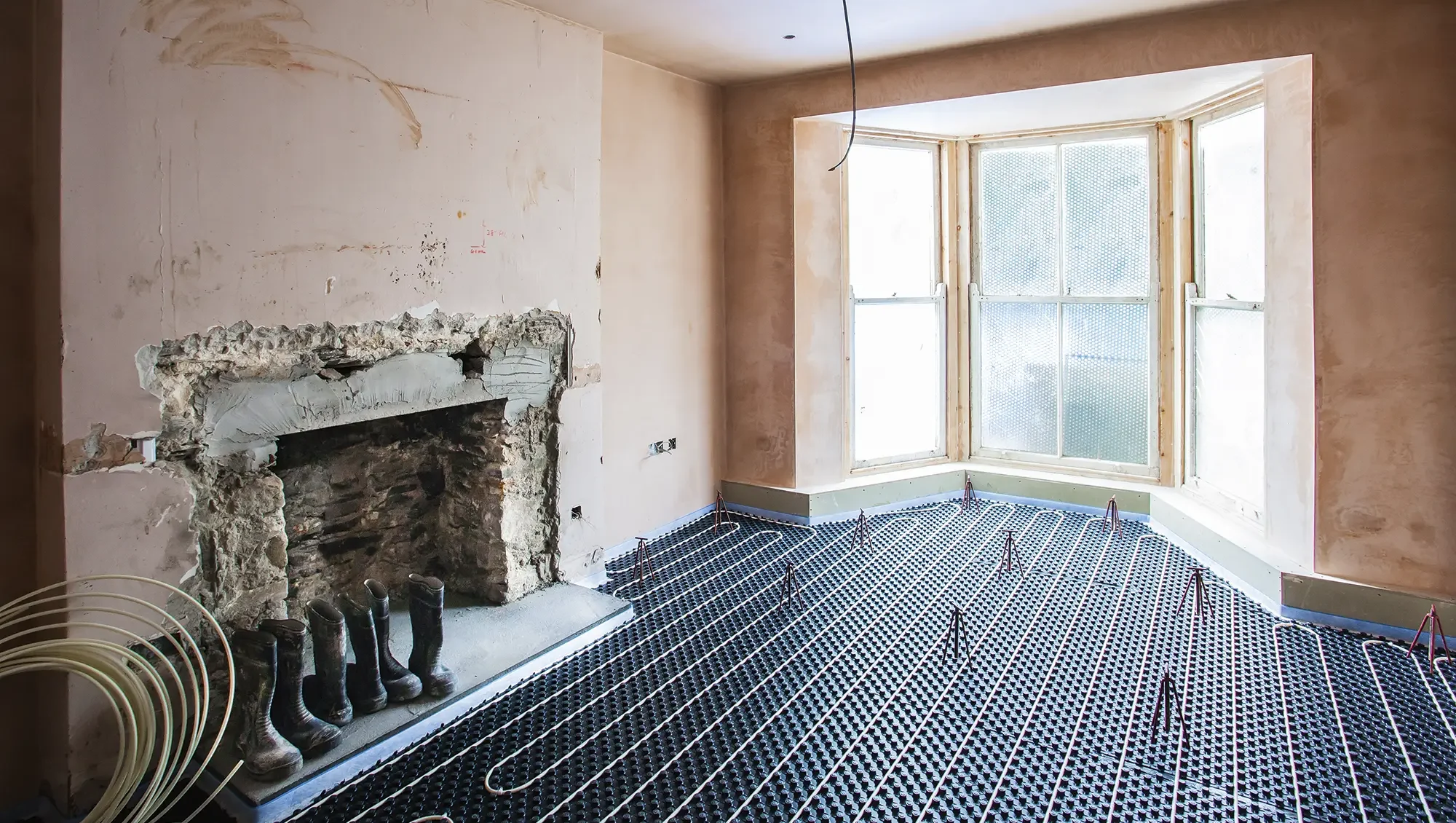
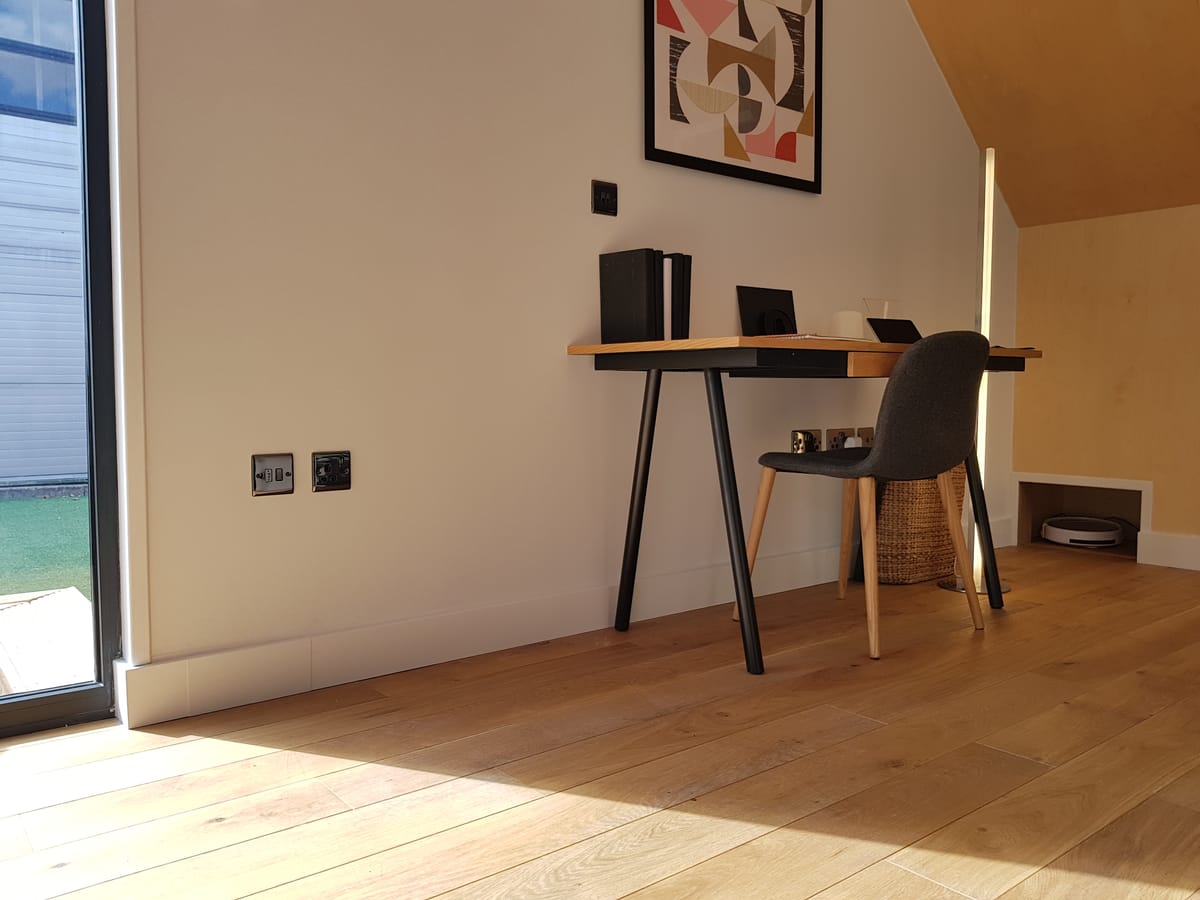
To heat a room at 40°C flow, you need an immense surface area. Wet underfloor heating achieves this by using the entire floor slab. ThermaSkirt achieves it by using the entire perimeter of the room. A typical living room has 12–15 linear metres of skirting. That's 12–15 metres of continuous aluminium radiating surface, capturing every available watt from your solar thermal buffer.

Independent BSRIA tests confirm that at 40°C flow, ThermaSkirt BM2 delivers 44W per linear metre, enough to heat a well-insulated room entirely from solar energy without firing your boiler at all during the shoulder months (March–May, September–November).
Solar PV Integration

ThermaSkirt-e and Battery Storage

The growth in domestic solar PV and home battery storage has created a new heating paradigm. Homeowners want to dump excess, free solar electricity into heating their homes rather than exporting it to the grid for 4–5p/kWh.

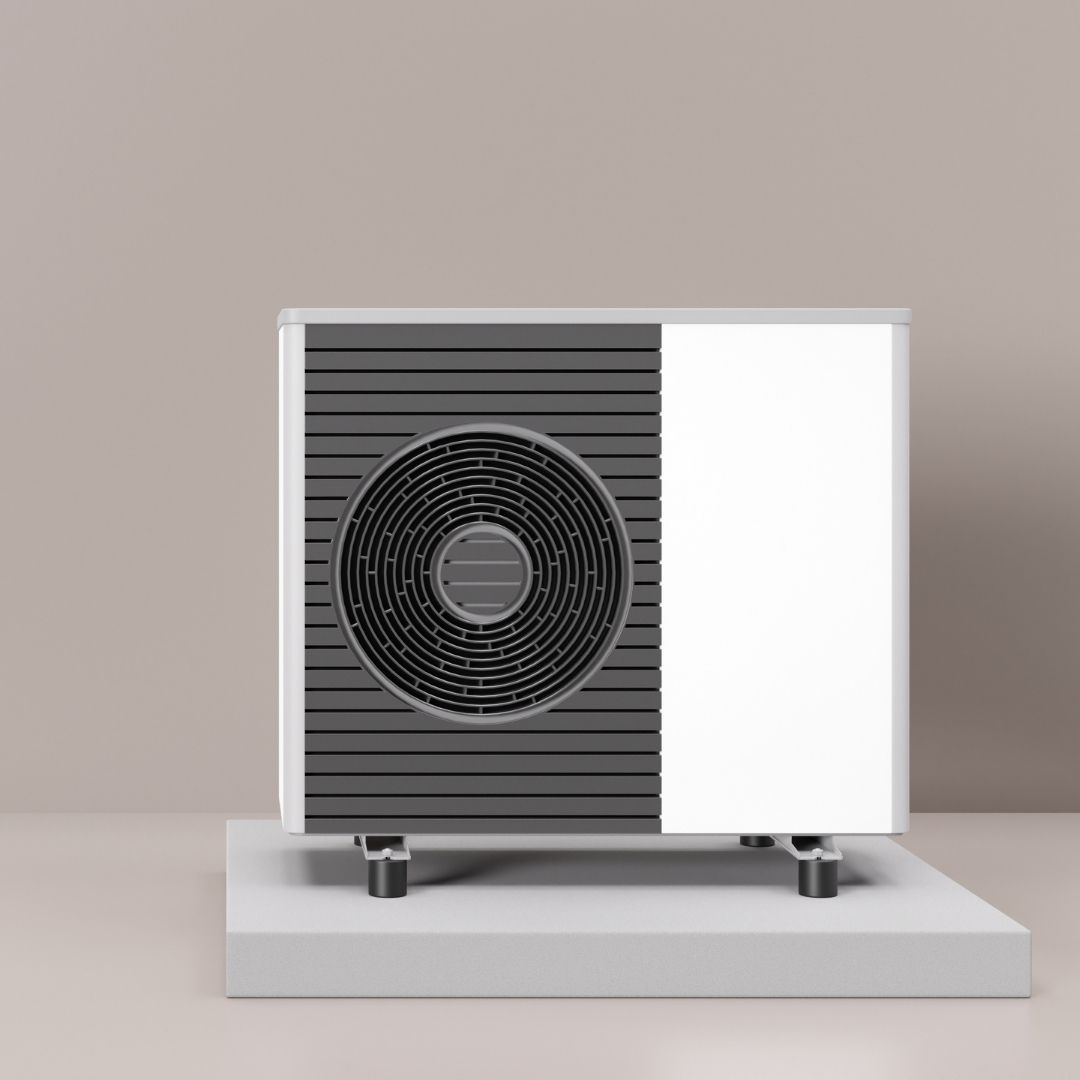
ThermaSkirt-e (our 240V electric version) allows you to do exactly this. By hardwiring the aluminium skirting boards into dedicated circuits managed by a smart PV diverter (like the myenergi eddi), you can automatically route excess solar power directly into heating your living room or home office. The aluminium profile acts as a fast-acting heat dump, turning zero-carbon sunlight into instant radiant warmth at zero marginal cost.

Daytime Solar Diversion

A smart PV diverter detects when your solar panels are generating more electricity than your home is consuming. It automatically routes the surplus into ThermaSkirt-e, heating your rooms for free instead of exporting to the grid at 4–5p/kWh.

Battery + Off-Peak Strategy

A 15kWh home battery (Tesla Powerwall, GivEnergy) charges overnight at 5.6p/kWh on an off-peak tariff, then discharges through ThermaSkirt-e during the day. Effective heating cost: below 13.6p/kWh, cheaper than gas at current rates. Pair this with daytime solar top-up for even greater savings.

Hybrid Configurations

Mix Wet and Electric for Maximum Efficiency

Many solar homeowners achieve the best economics by combining both ThermaSkirt products. A typical setup: ThermaSkirt H2O on the ground floor connected to a heat pump or gas boiler via the solar thermal buffer, and ThermaSkirt-e upstairs wired to a PV diverter to soak up excess daytime solar generation.

This hybrid approach means the ground floor benefits from the heat pump's high COP for bulk heating, while the upstairs bedrooms are heated entirely by free solar electricity during the day, prewarmed and comfortable by the time the family heads upstairs in the evening. The systems operate independently, so there's no complex integration or shared controls.

Economics

What Does Solar-Powered Heating Actually Cost?

The running cost depends entirely on how you source the electricity. Here's a comparison using current UK energy prices.

SourceCost per kWhNotes
Solar PV (self-consumed)0pFree electricity diverted from export
Battery (off-peak charged)5.6–7pOctopus Intelligent Go / Economy 7
Gas boiler (condensing)~7pAssuming 90% boiler efficiency
Heat pump (COP 3.5)~7pStandard electricity tariff
Standard electricity (flat rate)24pOnly for supplementary rooms

Prices based on typical UK tariffs as of 2025. Actual costs depend on your tariff, solar array size, battery capacity, and consumption patterns.

"I bought this system in 2018, since then it has been working like a clock. Not only does it look good but it is a brilliant system."

Seb Eralp6+ Years
Frequently Asked Questions

Solar Heating - Common Questions

Can ThermaSkirt integrate with a thermal store or accumulator?
Yes. ThermaSkirt H2O works exceptionally well connected to the low-temperature heating loop on a buffer tank or thermal store, drawing solar-warmed water at 35–45°C and distributing it effectively around the room perimeter.
What flow temperatures are needed to heat a room?
Depending on your home's insulation (heat loss), ThermaSkirt can maintain a comfortable 21°C room temperature using flow temperatures as low as 35°C. At 40°C, the BM2 profile delivers 44W per linear metre, enough for most well-insulated rooms using solar thermal alone.
Can I mix Solar PV electric heating and wet heating?
Yes. Many homeowners install ThermaSkirt H2O on the ground floor driven by a heat pump or boiler via the solar buffer, and ThermaSkirt-e upstairs wired to a PV diverter to soak up excess daytime solar generation. The systems operate independently.
Which PV diverter works with ThermaSkirt-e?
Any smart PV diverter that can switch a 240V load will work. The myenergi eddi is the most popular choice among ThermaSkirt-e customers, but any comparable device (iBoost, Solar iBoost+) will function identically.
Is solar thermal heating practical in the UK?
In the shoulder months (March–May, September–November), solar thermal evacuated tubes routinely produce 35–45°C buffer tank temperatures on bright days. Combined with ThermaSkirt's low-temperature efficiency, this is enough to heat well-insulated rooms without firing the boiler. In deep winter (December–February), you'll still need a boiler or heat pump as backup.
How does battery storage change the economics?
A 15kWh home battery charging overnight at 5.6p/kWh and discharging through ThermaSkirt-e during the day delivers an effective heating cost below 13.6p/kWh, cheaper than gas. If you also top up the battery from solar PV during daylight hours, the average cost drops further.

Explore more heating options

See how ThermaSkirt works with other heating systems and project types.

Zero carbon heating. Zero wall clutter.

Upload your eco-build plans for a fast, free itemised quote. We'll calculate the exact ThermaSkirt configuration for your solar setup.