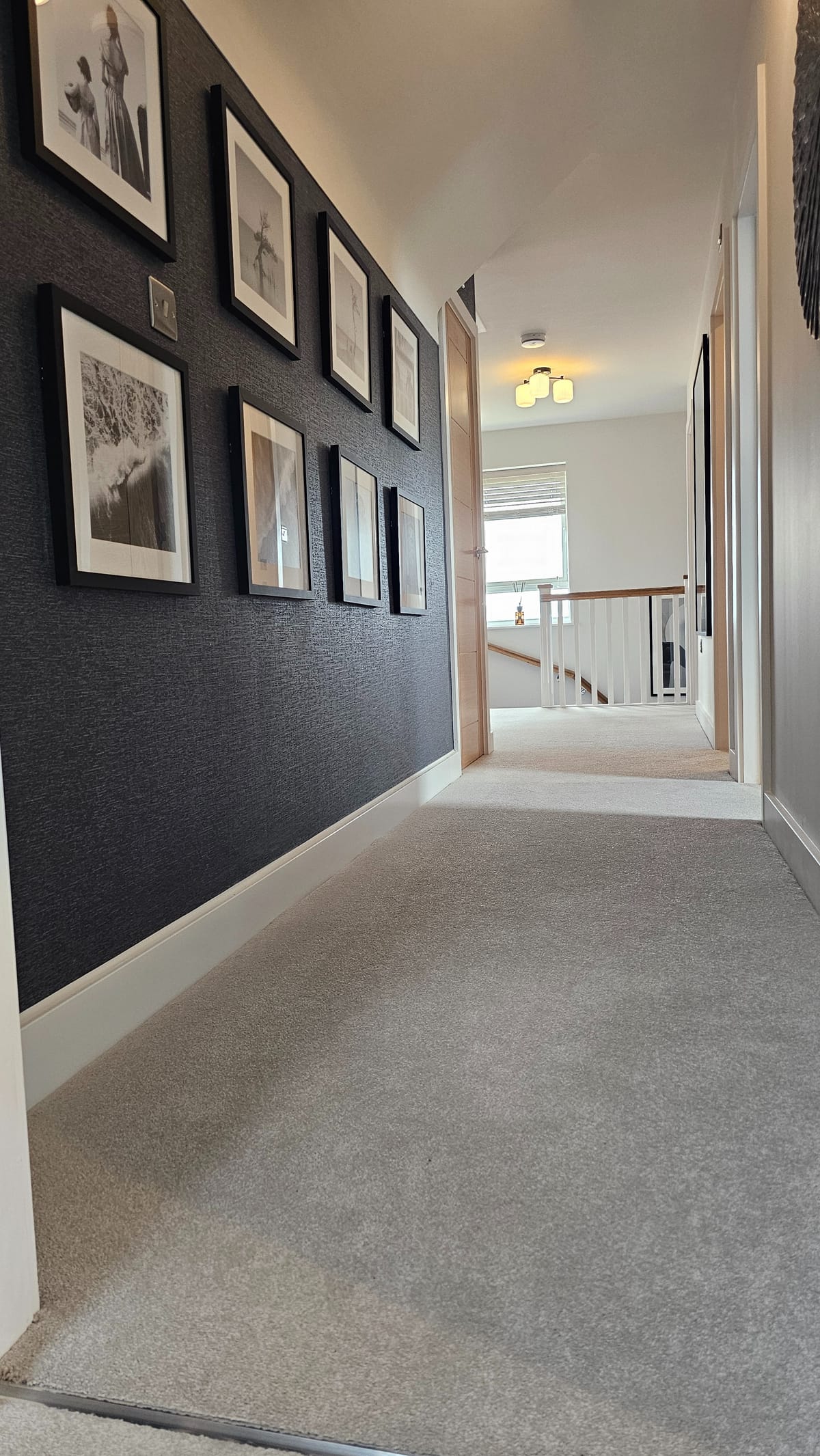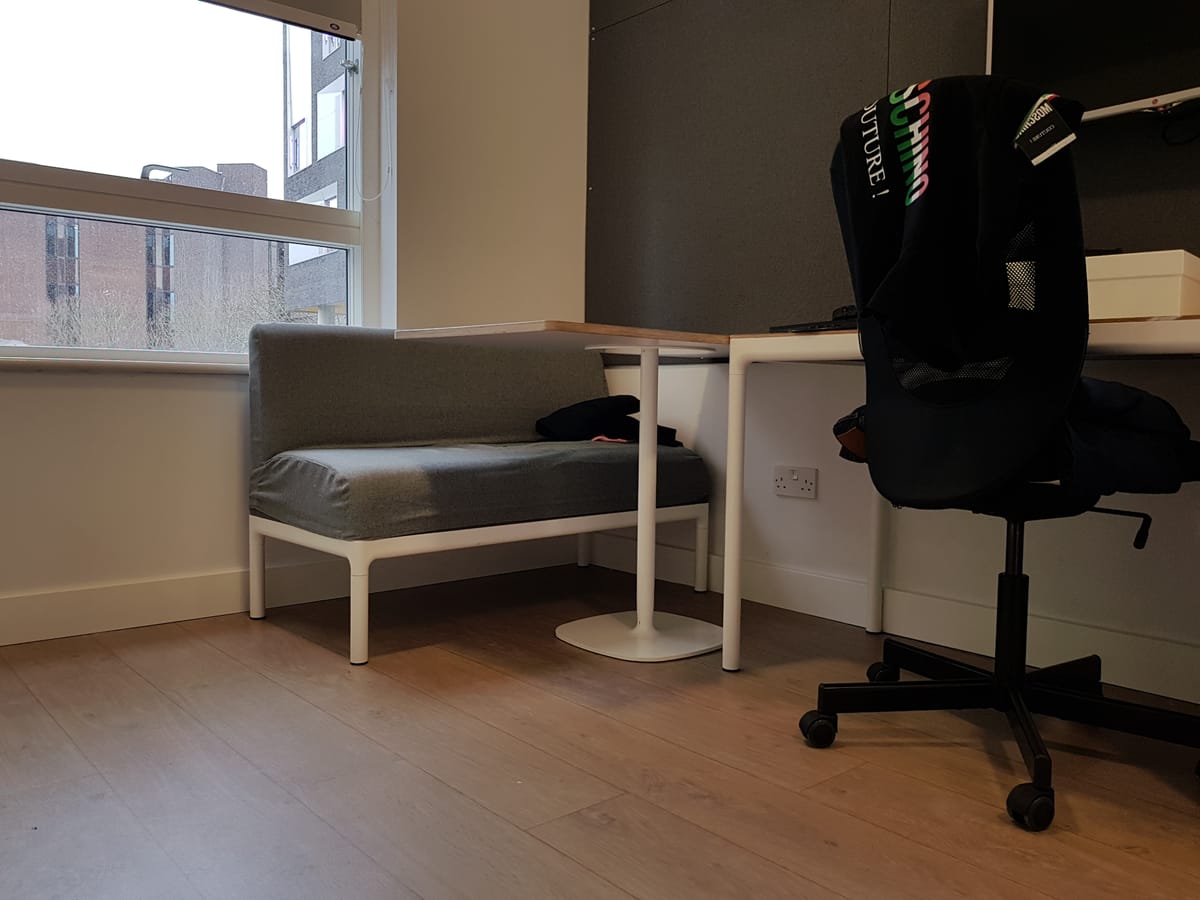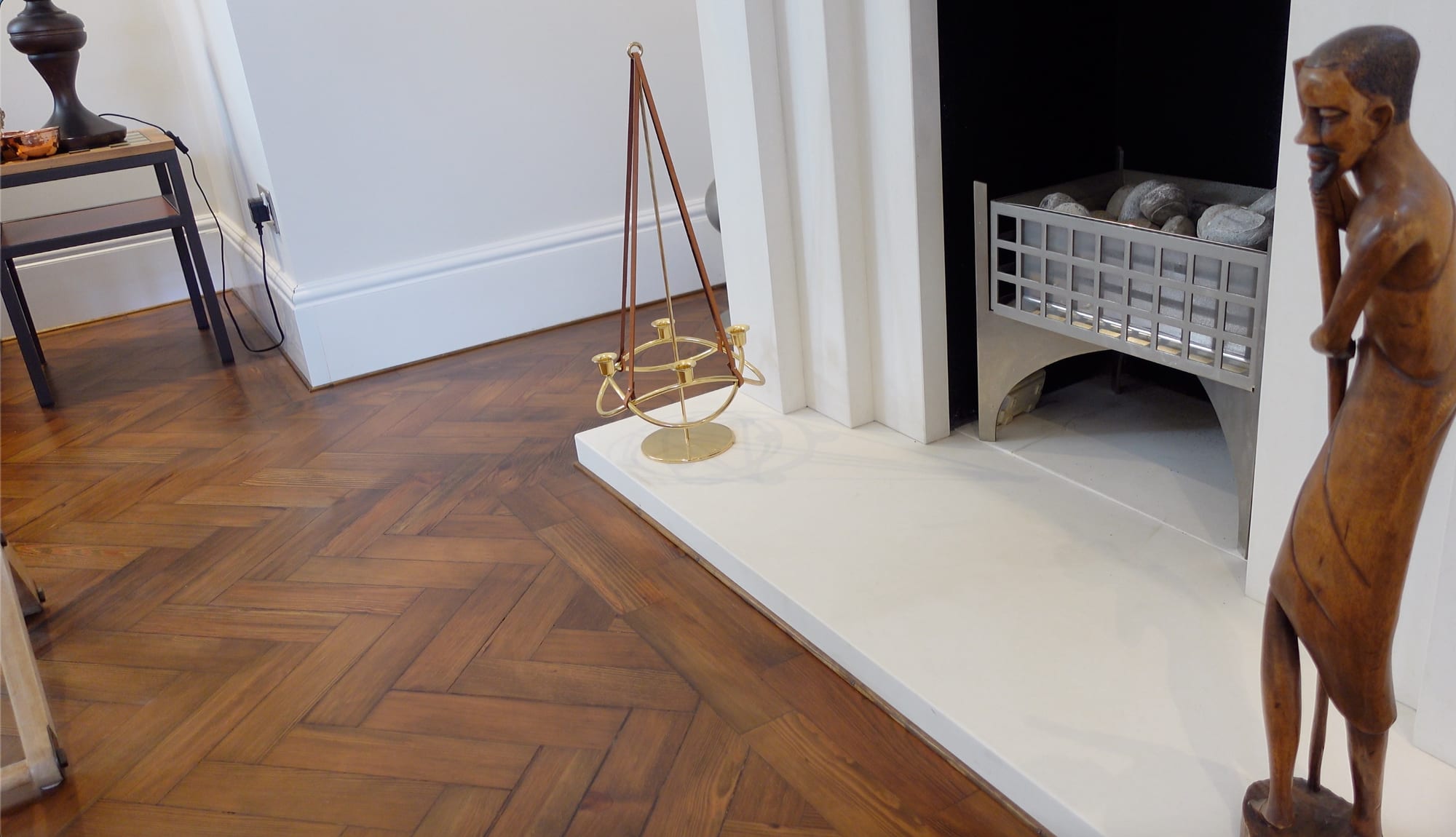
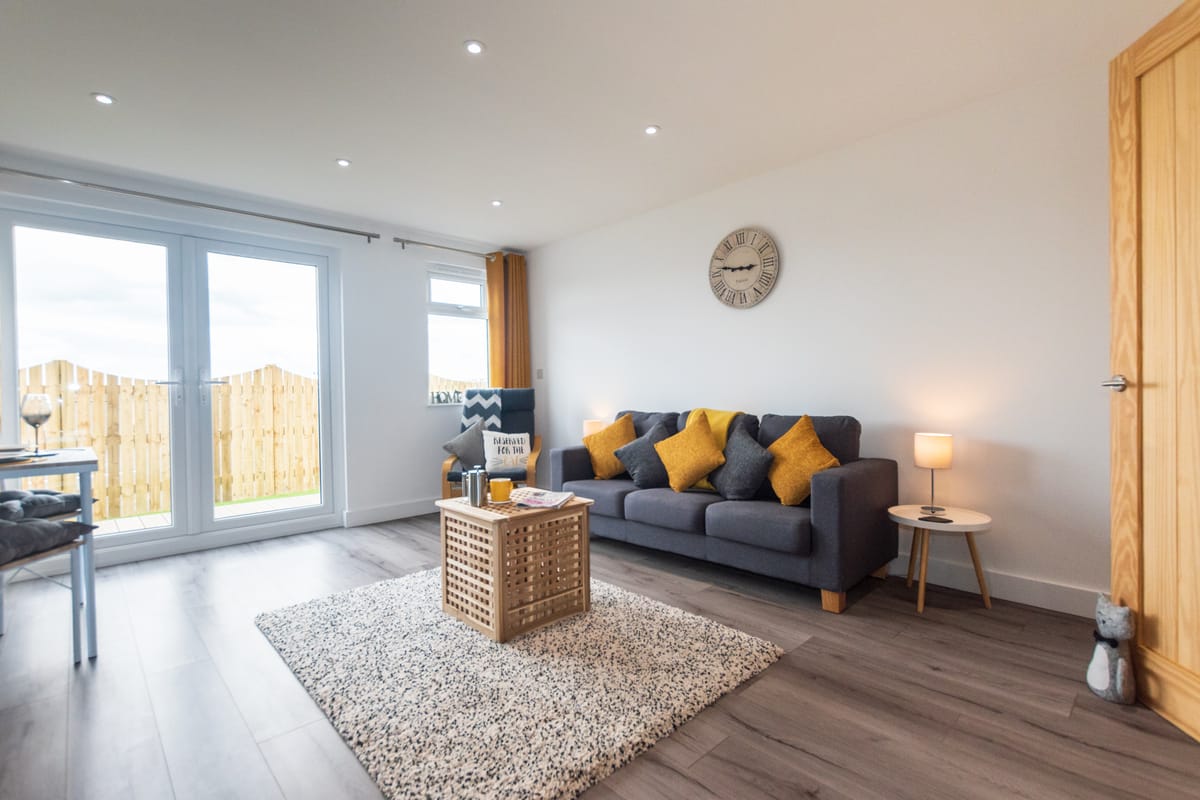
ThermaSkirt classic profile installed in a period property with decorative moulding
Listed & Heritage

Heritage-sensitive warmth.

Securing listed building consent for heating upgrades is notoriously complex. ThermaSkirt provides modern, efficient heating while preserving architectural sightlines and avoiding invasive floor works.

Preserving Architectural Integrity

Underfloor heating is often the goal for heritage applications to preserve wall sightlines, but the reality of ripping up centuries-old floorboards or pouring new screed over historic timbers means it is frequently denied by Conservation Officers.

Alternatively, mounting modern steel panel radiators against historic wood panelling or ornate plasterwork destroys the aesthetic proportion of the room. ThermaSkirt mimics the profile of traditional skirting boards (Classical or Victorian profiles are available) and integrates the radiant heating surface into a visually authentic trim.
Conservation Acceptance

Non-Invasive Installation

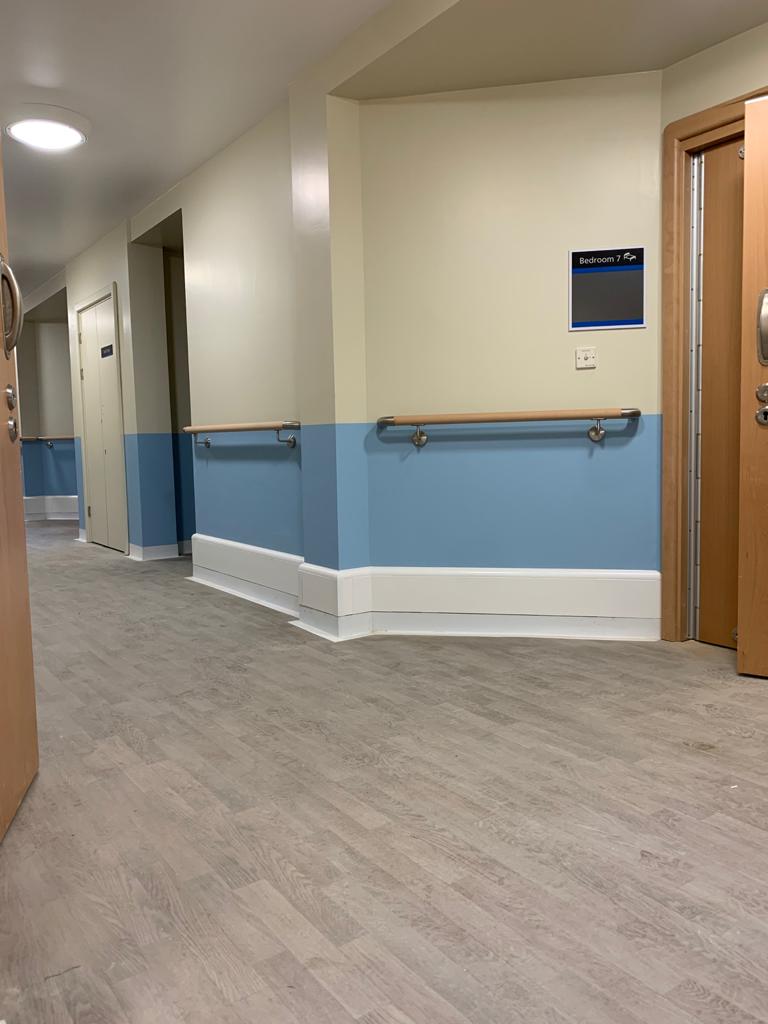
ThermaSkirt is mounted exactly like standard skirting. Its minimal disruption footprint makes it significantly more likely to pass listed building consent. It runs entirely above-floor, routing its own 15mm flow and return pipes behind its fascia. This negates the requirement to channel into historic walls or drill significantly into joists.

Technical Note: Thermal Interventions

Historic solid-wall properties suffer from severe cold bridging at the floor/wall junction. ThermaSkirt projects radiant heat directly upwards over the coldest part of the fabric, combatting condensation and fabric deterioration. Case studies of ThermaSkirt installations in Grade II and Grade II* listed properties are in the specifier pack alongside the BSRIA test report.

Download Specifier Pack →
Frequently Asked Questions

Everything you need to know

Can it match our existing period skirting profiles?
ThermaSkirt offers several profiles. The 'Deco' and 'Classic' ranges are specifically designed to mimic Victorian and Edwardian toroidal curves. For extremely deep historic skirting (e.g., 300mm+), ThermaSkirt can be mounted as the bottom fascia layer with the original skirting board (or a bespoke replica) mounted above it as a top tier.
Is it approved by English Heritage?
While English Heritage does not 'whitelist' specific products, ThermaSkirt has been successfully specified and approved by local Conservation Officers in numerous Grade II and Grade II* listed buildings across the UK due to its low mechanical intervention.
Can it be painted to match heritage schemes?
Yes. ThermaSkirt arrives in a tough double epoxy powder coat. To match a specific Farrow & Ball or heritage colour, lightly key the factory finish with fine wire wool, then paint over with any high-quality oil-based or water-based trim/satinwood paint.
Can it follow curved walls and bay windows?
Yes. ThermaSkirt can be rolled and curved to suit feature walls — bay windows, columns, windmills, water towers and turrets. A cardboard template is required and the skirting length is shaped to suit. Special flexible connectors handle hexagonal bays.
How do I match deep original Victorian skirting heights?
Profiles run from BM2 (114mm) to BM3 (170mm). For taller 220mm+ Victorian skirting, mount ThermaSkirt as the bottom fascia and run a bespoke replica timber section above it as a top tier — a common heritage detail.
Will it combat condensation on single-glazed windows?
ThermaSkirt sits directly below the windows on the perimeter walls. Since it outputs radiant heat upwards from the lowest possible point, it forms a warm thermal curtain that actively mitigates cold drafts from original single glazing.

Explore Other Applications

Discover how ThermaSkirt performs across diverse building types.

Working on a conservation project?

Our specification team can assist with producing technical justification reports for your Conservation Officer alongside room heat loss designs.