Clinical Heating Standards
ThermaSkirt EasyClean provides a fully sealed, anti-ligature radiant heating solution that eliminates the ligature risks and infection control challenges inherent in traditional LST radiators and ceiling radiant panels.
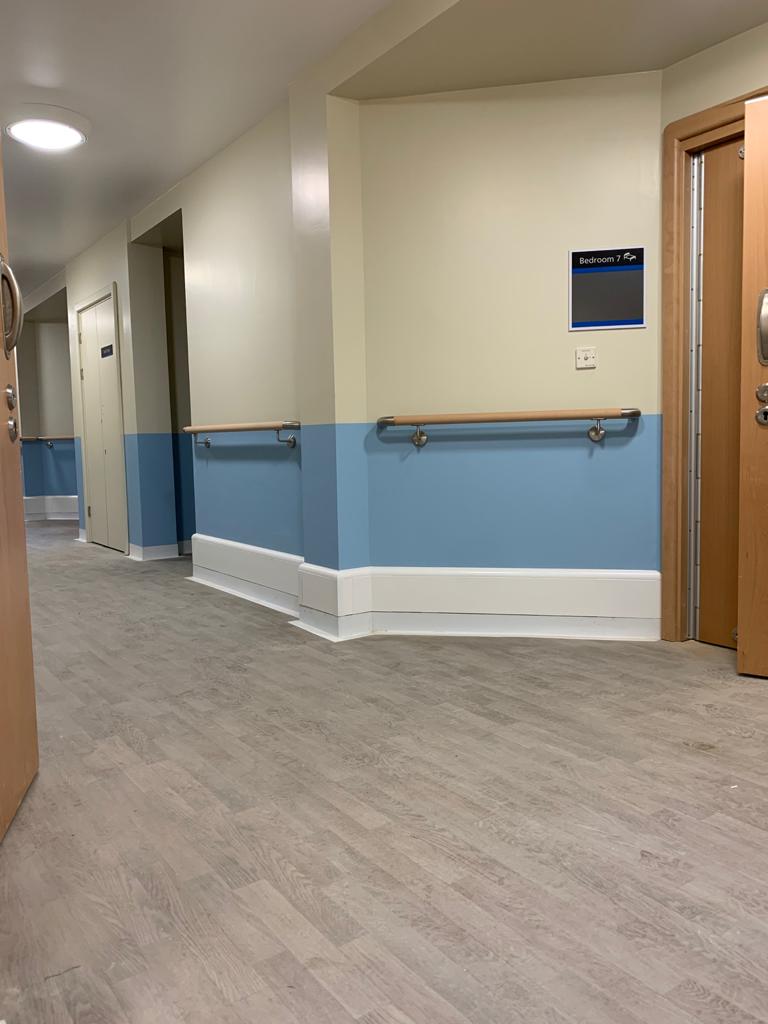
The EasyClean LST profile provides safe, low surface temperature radiant heat designed specifically for mental health wards, care homes, and clinical environments requiring rigorous infection control.
ThermaSkirt EasyClean provides a fully sealed, anti-ligature radiant heating solution that eliminates the ligature risks and infection control challenges inherent in traditional LST radiators and ceiling radiant panels.
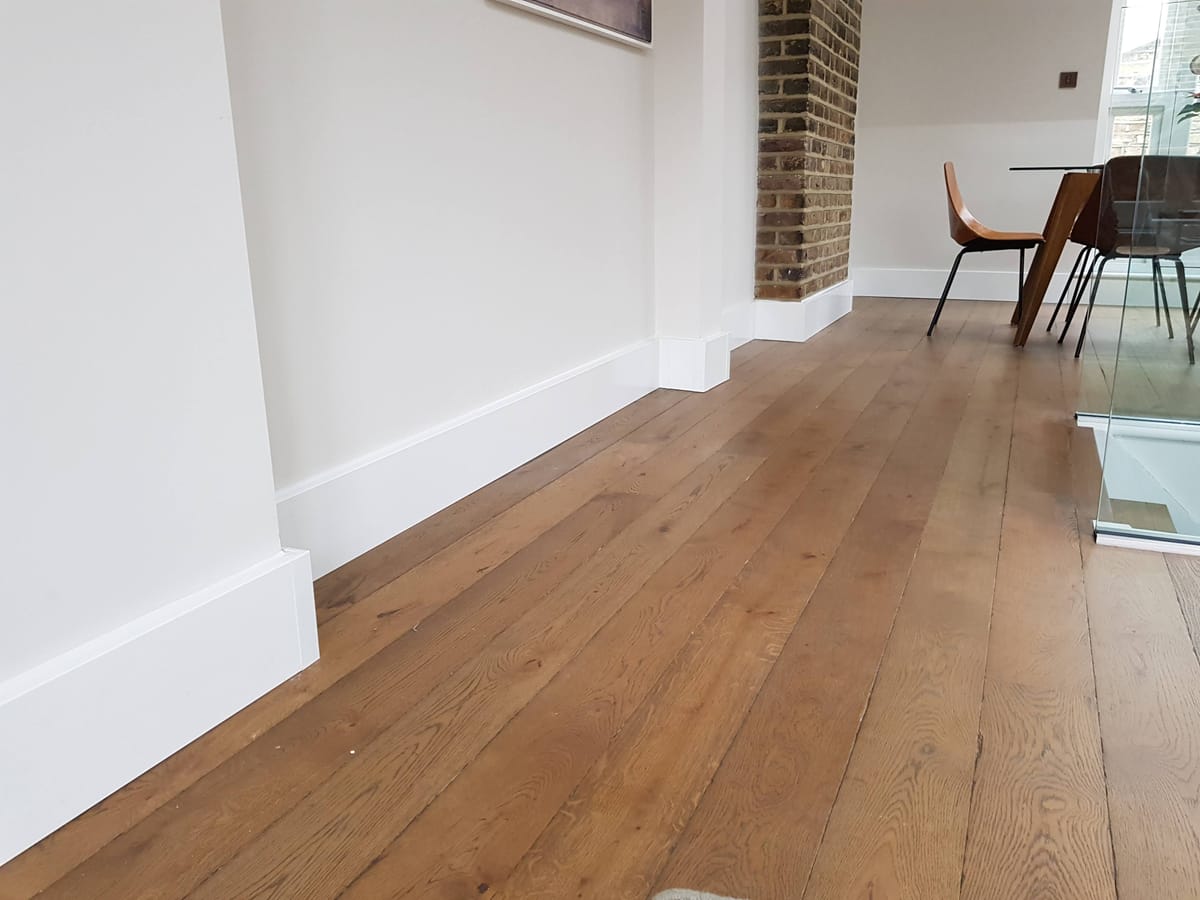
In mental health and secure environments, traditional heating emitters present significant hazards. Standard panel radiators can be weaponised, and LST covers create cavities where contraband can be hidden. The EasyClean system is a continuous extruded aluminium profile completely sealed to the wall and floor with a permanent, pick-resistant clinical mastic.
The profile features no exposed fixings, no gaps between the wall and the emitter, and a continuous contour that prevents the attachment of any ligature, meeting rigorous NHS Estates guidelines.
ThermaSkirt is designed to operate at 35–45°C flow temperatures, making it the most efficient skirting board heating emitter for air source and ground source heat pumps. At these temperatures, ThermaSkirt retains approximately 48% of its rated output, compared to around 30% for a conventional panel radiator.
This optimal low-temperature performance ensures the system naturally acts as a Low Surface Temperature (LST) emitter. It operates safely below the 43°C NHS Standard (DHSS DN4) limit without the need for bulky, inefficient radiator covers that impede heat transfer.
The EasyClean profile features no top grilles, fins, or open airways. By acting as a radiant emitter rather than a convector, it doesn't drag contaminated air off the floor and distribute it into the breathing zone, crucial for preventing Hospital Acquired Infections (HAIs).
Because the entire face is seamless, it can be wiped down instantly using standard clinical cleaning protocols. There is no requirement to remove a casing or vacuum internal components, saving thousands of hours in ward maintenance compared to LST radiator covers where dust and bacteria multiply.
BSRIA thermal imaging shows near-uniform heat distribution with less than 1°C variance across the room, comparable to underfloor heating comfort. However, due to its low water volume (0.48 L/m), ThermaSkirt provides rapid response times, heating up and cooling down in minutes, not hours.
This responsiveness prevents the overheating issues common with underfloor heating in clinical spaces, supporting TM59 overheating compliance. The system is also fully compatible with modern Building Management Systems (BMS) for precise thermal control across wards and individual rooms.
Constructed from heavy-duty extruded aluminium and finished with a robust double epoxy powder coat, ThermaSkirt EasyClean is highly resistant to impact damage. Unlike thin steel radiators or flimsy covers that easily dent and rust, the profile withstands the rigors of hospital environments, including impacts from trolleys and wheelchairs.
Goodmayes Hospital, a Grade II listed mental health facility dating from 1905, required a heating upgrade as part of NELFT’s net zero estate modernisation programme. The challenge was finding a low-temperature emitter for a Panasonic Air Source Heat Pump cascade that met stringent infection control requirements without the disruption of installing underfloor heating in a structurally fragile, historic building.
M&E consultants Donabie Associates specified 722m of ThermaSkirt EasyClean LST in BM3 and BM4 profiles with Torus Capping. The surface-mounted installation ran high-level primary circuits in ceiling voids with simple drops at each room, significantly reducing decant times and structural disruption compared to UFH or ceiling panels, while delivering a safe, compliant clinical environment.
When specifying heating for clinical environments, the choice typically falls between LST Radiators, Underfloor Heating, Ceiling Panels, and ThermaSkirt. The table below outlines how ThermaSkirt EasyClean addresses the key challenges of infection control, safety, and efficiency compared to LST radiators.
| Feature | ThermaSkirt | Radiators with Covers (LST) |
|---|---|---|
| Infection Control | Sealed profile. No grilles or internal cavities. Wiped clean during normal floor mopping. | Convection grilles drag dust into cavities. Requires scheduled removal of covers for deep cleaning. |
| Ligature Risk | Continuous profile sealed to wall/floor with clinical mastic. Zero ligature attachment points. | Exposed fixings, gaps between covers and walls, and grilles present potential ligature risks. |
| Space & Impact | Projects 20mm from wall. Extremely impact resistant. | Bulky covers consume valuable floor space and are susceptible to denting from trolleys/beds. |
| Feature | ThermaSkirt | Underfloor Heating (UFH) |
|---|---|---|
| Response Time | Minutes. Rapid response prevents overheating and allows for precise BMS control. | Takes hours to respond, often leading to overheating complaints in well-insulated clinical spaces. |
| Retrofit Disruption | Surface mounted in 1-2 days per room. Uses existing pipework routes. | Requires floor excavation, screed drying (weeks of disruption), and decanting of wards. |
| Maintenance Access | Valves accessible at skirting level. Simple to isolate and repair. | Leaks or component failures require costly and disruptive floor excavation. |
| Feature | ThermaSkirt | Overhead Radiant Panels |
|---|---|---|
| Thermal Comfort | Heats from the ground up, creating an even thermal envelope across the entire room. | Heats from above, can cause 'hot head, cold feet' syndrome and uneven vertical temperature distribution. |
| Ceiling Space | Frees up ceiling void for lighting, ventilation, and other essential MEP services. | Competes for valuable ceiling real estate with lighting, hoists, and ventilation systems. |
| Maintenance & Installation | Installed at skirting height, easier and safer to access for routine checks. | Requires working at height for installation and maintenance. |
| Feature | ThermaSkirt | VRF / Air-Based Systems |
|---|---|---|
| Air Quality & Pathogens | Radiant heat with minimal air movement. Does not circulate airborne dust or pathogens. | Relies on forced convection, which actively circulates air, potentially spreading bacteria and viruses. |
| Acoustics | 100% silent operation. Vital for patient rest and recovery. | Inherent fan noise. Subject to acoustic limitations in clinical environments. |
| Maintenance Protocols | Routine surface wiping. No filters to change. | Strict, costly filter replacement schedules required to maintain hygienic air quality. |
Discover how ThermaSkirt meets strict specification criteria across other demanding sectors.
Sector guides for NHS Acute & Clinical Care, Mental Health & Dementia and Care Homes; product datasheets; installation instructions; the BSRIA test report; and project case studies in healthcare settings — one ZIP. Our spec team can also run room-by-room heat-loss calculations from a floorplan.