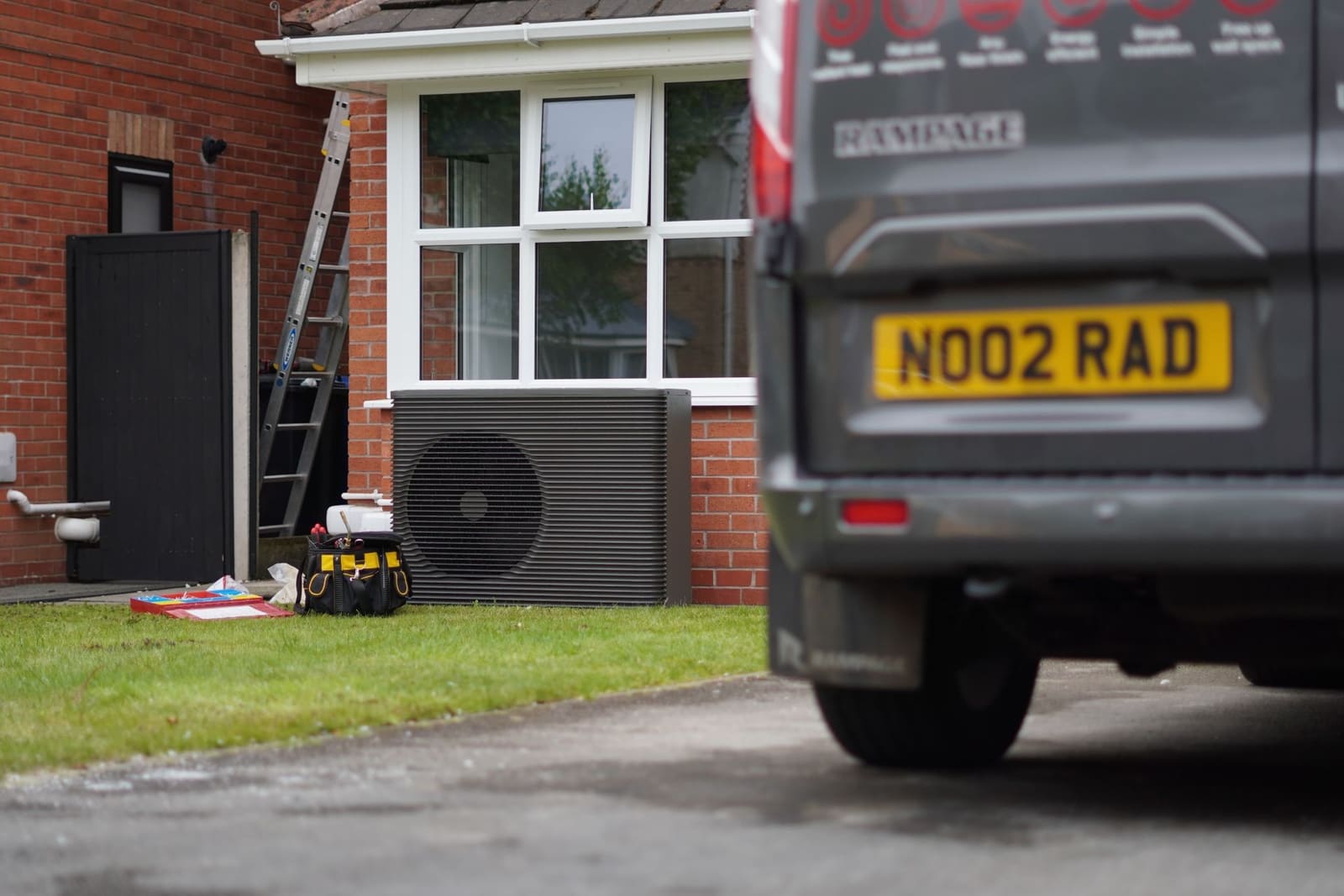
The Warm Homes Loan Scheme is a government-supported, lender-led scheme that lowers the interest rate on loans for low-carbon home upgrades such as heat pumps and solar panels. It is part of the wider Warm Homes Plan, and it is aimed mainly at homeowners, with private landlords able to take part too.
The single most useful fact to know is the timing. Loans are expected to be available to the public from September 2026, not 2027 as many articles still say. This guide explains what the scheme is, when it arrives, who can apply, what you can borrow, and one detail almost every other explainer misses: the loan can also cover the radiators and pipework a heat pump needs to run well.
What the Warm Homes Loan Scheme actually is
The scheme makes borrowing for green home upgrades cheaper. It does this through a principal-reducing capital grant of up to 20% of the loan amount, paid to the lender, which is used to bring down the interest rate you pay.
Importantly, the government is not the lender. High-street and other FCA-regulated lenders provide the loans in the normal way. The government support simply sits behind the lender to reduce your rate. That means you apply to a bank or finance provider, not to a government department.
When it launches
The lender application window opens in June 2026. Loans are then expected to be available to the public from September 2026, once the necessary approvals are in place. A further lender window is anticipated in late 2026, with new lenders onboarding in early 2027.
This matters because most coverage online still says loans will not arrive before 2027. The published Scheme Rules are clear: the public launch is expected in September 2026. If you are planning a heat pump, it is worth knowing the support is closer than the older articles suggest.
Who can apply
The scheme is open to owner-occupiers of existing homes and to private landlords lending on a personal basis. There are no income thresholds, no minimum energy-efficiency requirement, and no scheme-level restriction on the type of property.
Lenders still apply their own normal credit and affordability checks, exactly as they would for any other loan. Businesses and special-purpose vehicle structures are not eligible in phase one, and there are no leasing or subscription products at launch.
What you can use it for
The scheme supports a set of low-carbon measures, each with its own maximum loan size. These are caps on how much can be borrowed for each technology, not grant amounts. The table below sets out the published caps.
| Eligible measure | Loan cap |
|---|---|
| Solar PV | £15,000 |
| Battery storage | £15,000 |
| Air-to-water heat pump | £20,000 * |
| Ground source heat pump (including water source) | £35,000 * |
| Biomass boiler (rural homes only) | £20,000 * |
| Heat network connection | To be published |
| Micro wind / micro hydro | To be published |
* Heat pump and biomass caps are shown before any grant from the Boiler Upgrade Scheme is deducted. Caps for heat network connections and micro-renewables will be published ahead of launch. Air-to-air heat pumps are named in the rules with a £10,000 cap, but they are not yet an eligible measure, so we have not listed them as available.
How the savings work
The grant of up to 20% of the loan amount is paid to the lender and used to reduce the interest rate you are charged. For loans of three to ten years, it is designed to cut the rate by up to around five percentage points off the lender’s normal rate, subject to a cap.
As an illustration only, a rate that might otherwise be around 9% could come down toward the low single figures once the support is applied. The exact starting rate, the size of the reduction, and your monthly payment are all set by the lender after their own checks, so treat any figure here as indicative rather than a quote.
Using it with the Boiler Upgrade Scheme
In England and Wales you can combine the two. The Boiler Upgrade Scheme gives a grant of up to £7,500 toward an air source or ground source heat pump. The Warm Homes Loan Scheme can then finance the costs above that grant, so you take the grant first and borrow for the rest at a reduced rate.
In Scotland the equivalent support is provided through Home Energy Scotland rather than the Boiler Upgrade Scheme. How the two pots of funding combine is still being finalised, so confirm the detail with your installer and lender at the time you apply.
The part most guides miss: the loan can cover your emitters too
Most explainers stop at the heat pump itself. The Scheme Rules go further. For a heat pump installation, the loan is expected to cover ancillary works including necessary improvements to radiators, pipework and water tanks.
This matters because a heat pump works best at a low flow temperature, the temperature of the water leaving the heat pump and travelling around your heating. An emitter, meaning whatever gives the heat out into the room, has to be sized to deliver enough warmth at that lower temperature. A well-matched emitter helps a heat pump hold a lower flow temperature, which supports a better SCOP, the seasonal measure of how efficiently the heat pump runs across the year. That is exactly why the scheme treats the emitter and pipework upgrade as part of the heat pump job.
ThermaSkirt is one example of this kind of emitter upgrade. It is a skirting-board radiant heating system that replaces the radiator, and it is designed to perform at the low flow temperatures a heat pump prefers. Because it is an emitter upgrade, it falls within the radiator and pipework improvements a heat pump loan can cover, so it can sit inside the same loan as the heat pump rather than being a separate cost.
To be clear, ThermaSkirt is not government funded, grant funded, or endorsed by the scheme, and it is never a standalone scheme measure. The honest position is simply this: you can finance the heat pump and the emitter upgrade that helps it run efficiently within one loan. If you want to understand the numbers, our ThermaSkirt cost guide breaks down what an emitter upgrade typically involves, and our heat pump heating guide explains how the two work together.
What it will not cover
The scheme is deliberately focused. It will not fund insulation as part of a heat pump installation, and it will not fund structural work such as replacement roofing carried out before a solar install. It is also not open to businesses or special-purpose vehicle structures in phase one.
Knowing the boundaries is useful. The loan is there to fund the low-carbon technology and the works needed to make it run properly, not a wider home renovation.
How to avoid scams
Because the scheme is well publicised but not yet live, it is a natural target for scams. You cannot apply today, and there is no government department or company taking applications ahead of the public launch.
Be wary of any unsolicited call, text, or email offering you a “Warm Homes” loan, asking for an upfront fee, or pressuring you to sign up now. When the scheme does launch, loans will come from regulated lenders, and only participating lenders may use the official scheme branding. If in doubt, check directly with the lender and with the official government guidance below.